God and Creation
God is eternal, all-holy, all-good, and the Creator of heaven and earth. Every human person is made in the image and likeness of God and is called to share His everlasting life.

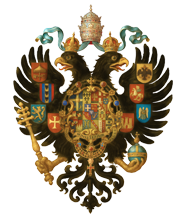
The Faith Once Delivered to the Saints
The Apostolic Christian faith, received from East and West and lived in worship, sacrament, prayer, charity, and hope.
We believe in one God: Father, Son, and Holy Spirit—the Most Holy Trinity. We believe that Jesus Christ, the eternal Son of God, became man for our salvation, died upon the Cross, rose bodily from the dead, ascended into heaven, and will come again in glory.
We confess the Niceno-Constantinopolitan faith of the undivided Church and worship the Holy Trinity, one in essence and undivided.
The heart of the faith
Christian life begins and ends in Jesus Christ. Through Him we come to know the Father; in Him humanity is reconciled to God; and by the Holy Spirit we are drawn into holiness, communion, and eternal life.
God is eternal, all-holy, all-good, and the Creator of heaven and earth. Every human person is made in the image and likeness of God and is called to share His everlasting life.
Jesus Christ is true God and true man. By His Incarnation, teaching, saving Passion, Resurrection, and Ascension, He conquered sin and death and opened the way of reconciliation, transformation, and life with God.
The Holy Spirit is Lord and Giver of Life. He inspired the prophets, descended upon the Church at Pentecost, sanctifies the faithful, and leads the Church in the truth received from the Apostles.
We await the resurrection of the dead, the judgment of Christ, and the life of the world to come. Christian hope rests in the mercy and justice of God and in the victory of the risen Lord.
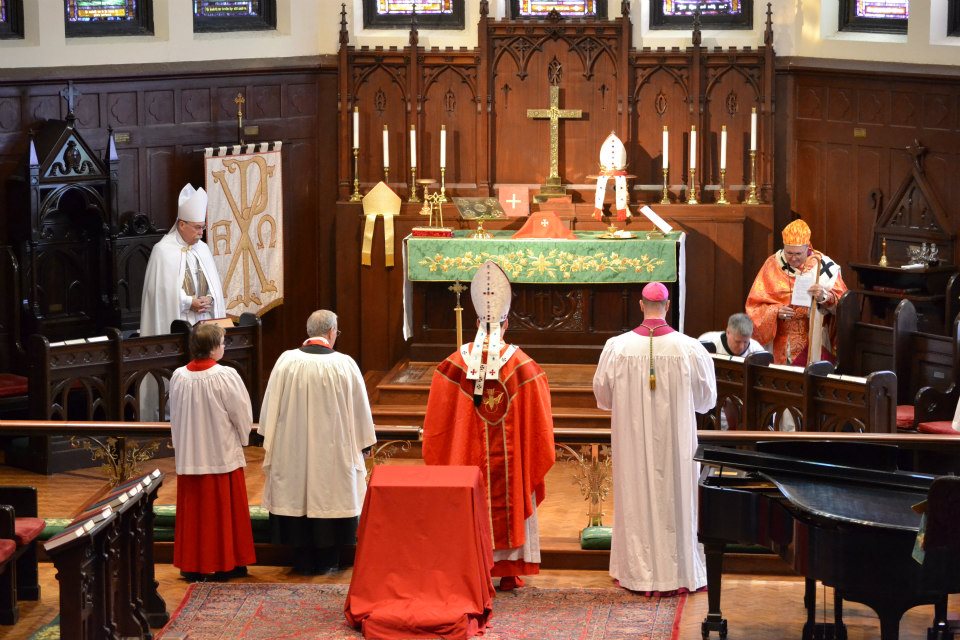
One Apostolic inheritance
God’s revelation is received in Holy Scripture and Holy Tradition, interpreted within the worshipping life and teaching authority of the Holy, Orthodox, Catholic, and Apostolic Church.
The Church is the Body of Christ and the communion of the faithful across time and place. Her bishops stand in Apostolic succession as guardians of the faith; with the priests and deacons, they serve the Word, the sacraments, and the people of God.
In the United Roman-Ruthenian Church, the Magisterium—the Church’s living teaching authority—is exercised under the Supreme Pontiff by the bishops in Apostolic succession throughout the world, each according to the authority of his office. The Roman-Ruthenian papacy is the visible centre of ecclesiastical unity and the supreme guardian and teacher of the received Apostolic faith.
Learn more about the Roman-Ruthenian papacy and the Church’s canonical and Apostolic identity.
“Hold the form of sound words, which thou hast heard of me in faith, and in the love which is in Christ Jesus. Keep the good thing committed to thy trust by the Holy Ghost, who dwelleth in us.”2 Timothy 1.13–14
Grace made present
The sacraments, or Holy Mysteries, are sacred actions through which Christ communicates His grace in the Church. They join visible signs, Apostolic ministry, the faith of the Church, and the action of the Holy Spirit.
At the Divine Liturgy or Holy Mass, the Church offers thanksgiving and receives the true Body and Blood of Christ under the forms of bread and wine. The Eucharist is the centre of sacramental communion and the nourishment of Christian life.
The faithful are formed by the Church’s daily prayer, the Holy Scriptures, fasting, sacred seasons, devotion to the Holy Cross, and prayer with the Blessed Virgin Mary and all the Saints. Worship unites heaven and earth and shapes the whole of life toward God.
Pontifical Orthodox Old Catholicism
The United Roman-Ruthenian Church calls its unifying tradition Pontifical Orthodoxy, also known as Pontifical Orthodox Old Catholicism. It receives the Apostolic heritage of Christian East and West as one inheritance and seeks the unity for which Christ prayed: Ut unum sint—that all may be one.
Faith in daily life
The Christian faith is lived through conversion of heart, communion with God, fidelity to truth, love of neighbour, and works of mercy. Every vocation is a call to become more fully united with Christ.
We seek God through prayer, the sacraments, examination of conscience, repentance, forgiveness, fasting, study, and the practice of virtue. Salvation is not merely an idea: it is a life of grace that restores and transforms the whole person.
Because every person bears the image of God, human life is sacred and neighbour-love is indispensable. The Church teaches fidelity, chastity according to one’s state of life, the sacramental dignity of marriage, responsibility within family life, justice, mercy, and care for the vulnerable.
We honour the Blessed Virgin Mary as Mother of God and foremost among the Saints. We ask the prayers of the Saints, remember the faithful departed, and give glory to God for the holiness revealed in their lives.
Our highest allegiance is to Christ. Faith therefore bears fruit in humility, integrity, hospitality, reconciliation, charitable service, and responsible witness in society—especially in service to those who are forgotten or in need.
“By charity of the spirit serve one another. For all the law is fulfilled in one word: Thou shalt love thy neighbour as thyself.”Galatians 5.13–14
Continue exploring
The Church’s catechism offers systematic formation; its liturgy gives the faith a living voice; and the Home Church provides a daily path of prayer and study.